
Get Out of Glasses With Cataract Surgery in Tampa Bay
98% of our patients see well at distance afterward with little or no prescription. One surgeon does every measurement and every step.
Cataract Surgery on Your Terms
Cataract surgery replaces your eye’s clouded lens with a clear one called an intraocular lens (IOL), and which lens goes in decides how much you depend on glasses for the rest of your life. That choice belongs to you, not to whoever books your surgery. At The Eye Clinic of Florida, Ahad Mahootchi, MD performs every surgery and lens calculation himself, with more than 30,000 procedures completed since 1997. One visit tells you whether cataract surgery would help, which implant fits your life, and what it will cost.
Leading-Edge Cataracts Treatment: Dropless & IV Free Options
Clouding of the eye’s natural lens is called a cataract. Everyone will get a cataract at some point in their lifetime. Age is the most common cause, but smoking, family genetics, steroid medications, and trauma can give even younger patients a cataract that interferes with their lifestyle.
The cataract isn’t a growth; it is usually a gradual process in which the lens becomes less clear and harder to see through.
At least at first, cataract surgery is a “want-to,” not a “have-to.” If you choose surgery, your natural lens (the cataract) is removed, and a lens replacement option will need to be made.
That said, cataract surgery isn’t just a treatment for cataracts. It offers a unique opportunity to get rid of glasses for seeing near, far, and everything in-between. During cataract surgery, we painlessly remove the cloudy natural lens and replace it with a new artificial lens implant that incorporates your glasses prescription. About 98% of our patients have negligible prescriptions after cataract surgery with us.
At The Eye Clinic of Florida, we offer a range of advanced options for cataract surgery to help you achieve clear vision and freedom from glasses. Tailored to meet individual needs, our treatments are supported by years of expertise and cutting-edge technology.
How to Know if You’re Ready for Cataract Surgery
You’re ready for cataract surgery when the cloudiness starts changing what you do, not when someone decides it’s grown dense enough. Most of our patients arrive already diagnosed. An optometrist told them they have cataracts, and many have already been quoted a price somewhere else and want a second opinion before they commit.
You’re probably ready to talk with us if:
- ✓ Headlights throw halos or starbursts on your drive home
- ✓ Colors look washed out, dull, or slightly yellow
- ✓ Reading takes more light than it used to
- ✓ Your prescription changes every year and new glasses stop helping
If two or three of those sound familiar, a consultation will settle it. You’re also a candidate if you’ve had laser vision correction such as LASIK in the past, or if you have astigmatism (that means the front of your eye is shaped more like a football than a basketball). Astigmatism used to rule people out of the sharpest lens implants. It no longer does.
Waiting has a cost that never shows up on an eye chart. The National Eye Institute (NEI) reports that cataracts are a leading cause of vision loss in the United States. Dimmer, hazier vision is also tied to more trouble driving after dark and a higher risk of falls. If you’ve started avoiding night driving or handing someone else the keys, that’s a reason to come in, not a reason to wait another year.
One exception is worth hearing early. Presbyopia is the close-up reading vision most people start losing in their mid-forties, and the implants that correct it are the sharpest ones we offer. If you already have glaucoma, which slowly damages side vision, or macular degeneration, which damages central vision, those implants may not suit your eye. Both conditions change how well the eye can use the extra focus points a premium implant gives you.
Over 45 and tired of readers, but not ready for cataract surgery yet? The same lens technology is open to you through custom lens replacement, also called clear lens exchange.
Custom Lens ReplacementThree Stages. Six Weeks. Clear Vision.
Here’s what those six weeks look like, from your first visit to your last follow-up.
Your Consultation and Measurements
Dr. Mahootchi personally measures your eyes and picks your lens implant. We don’t charge for medical clearance or astigmatism testing, unlike many practices.
The Day of Surgery
Most patients are in and out in under 90 minutes, and about 95% skip the IV line for oral medication instead. We treat one eye first, then the second a week or two later.
Your Follow-Up Visits
We see you the day after surgery, then again over the following weeks. Thanks to our dropless technique, most patients go home with one generic drop instead of a four-week bottle schedule.
Better in a Day. Back to Normal in a Week.
Most people see noticeably better within 24 hours and are back to normal activity within a few days. Full cataract surgery recovery time runs about four to six weeks, but that’s the tail end of healing. Not time you spend waiting around.
vision is usually clearer already, though it may look bright or slightly hazy while your eye settles. You’ll come in for a check.
you can read, watch television, walk, and work at a desk. Skip swimming pools, hot tubs, and heavy lifting, and don’t rub the eye.
your brain adjusts to the new lens implant. That takes longest with a trifocal or extended depth of focus implant, which gives you distance and near vision at once. Glare and halos at night are common early and fade for nearly everyone.
You will need someone to drive you home on surgery day. Most patients are cleared to drive again within a day or two, once the first eye has been checked.
Because we use the dropless technique, recovery involves far less bottle juggling than a standard four-week drop taper. That matters more than it sounds, especially if arthritis makes a dropper hard to handle or your medicine cabinet is already full.
What Cataract Surgery Costs and What Insurance Covers
Medicare and most private plans cover cataract surgery itself, along with a standard single-focus lens implant. The Centers for Medicare & Medicaid Services (CMS) also lets you pay privately for an upgraded implant. That upgrade is where the real price difference between practices shows up, since our prices run 30% to 50% below what most Tampa Bay practices charge for the same FDA-cleared implants.
That’s just the upgrade cost. Here’s everything else we don’t charge for that other practices often do:
- No charge for a pre-operative medical clearance exam
- No charge for astigmatism testing
- No charge for laser-free surgery
- No charge for monovision, which can run up to $1,800 elsewhere
- No routine pre-operative cardiology workup, EKG, chest X-ray, or bloodwork for routine cases, which can save $200 or more
- Our dropless technique means most patients go home with one drop instead of a month of prescriptions, saving hundreds of dollars in medication
Add it up, and patients typically save $300 to $1,000 per eye compared to other Tampa Bay practices. Flexible financing is available, and HSA and FSA funds can be applied.
You can get a written figure through our price estimate request form, and check the insurance plans we accept before your visit.
Why Tampa Bay Patients Choose Dr. Mahootchi
About 98% of our cataract patients end up seeing well at distance with little or no prescription. That result, not a slogan, is the reason most of them came.
The pattern repeats almost weekly. A patient is diagnosed by their optometrist, referred to a large surgical center, and quoted $4,000 or more per eye for a premium lens implant. They come here for a second opinion, get the same lens technology, and pay roughly half. Nothing about the surgery is scaled back. The difference is that we don’t mark up the implant the way a bigger center does, and Dr. Mahootchi does his own measurements instead of handing them to a technician.
The practice has collected 1,011 certified reviews across Google, Healthgrades, WebMD, and Vitals, with an average rating of 4.9 stars and 52 awards. You can read our verified patient reviews in full.
Patients drive in from across the region. See what the visit looks like for patients from Tampa, Wesley Chapel, Dade City, Lakeland, and Plant City.
Real Patients. Real Results.
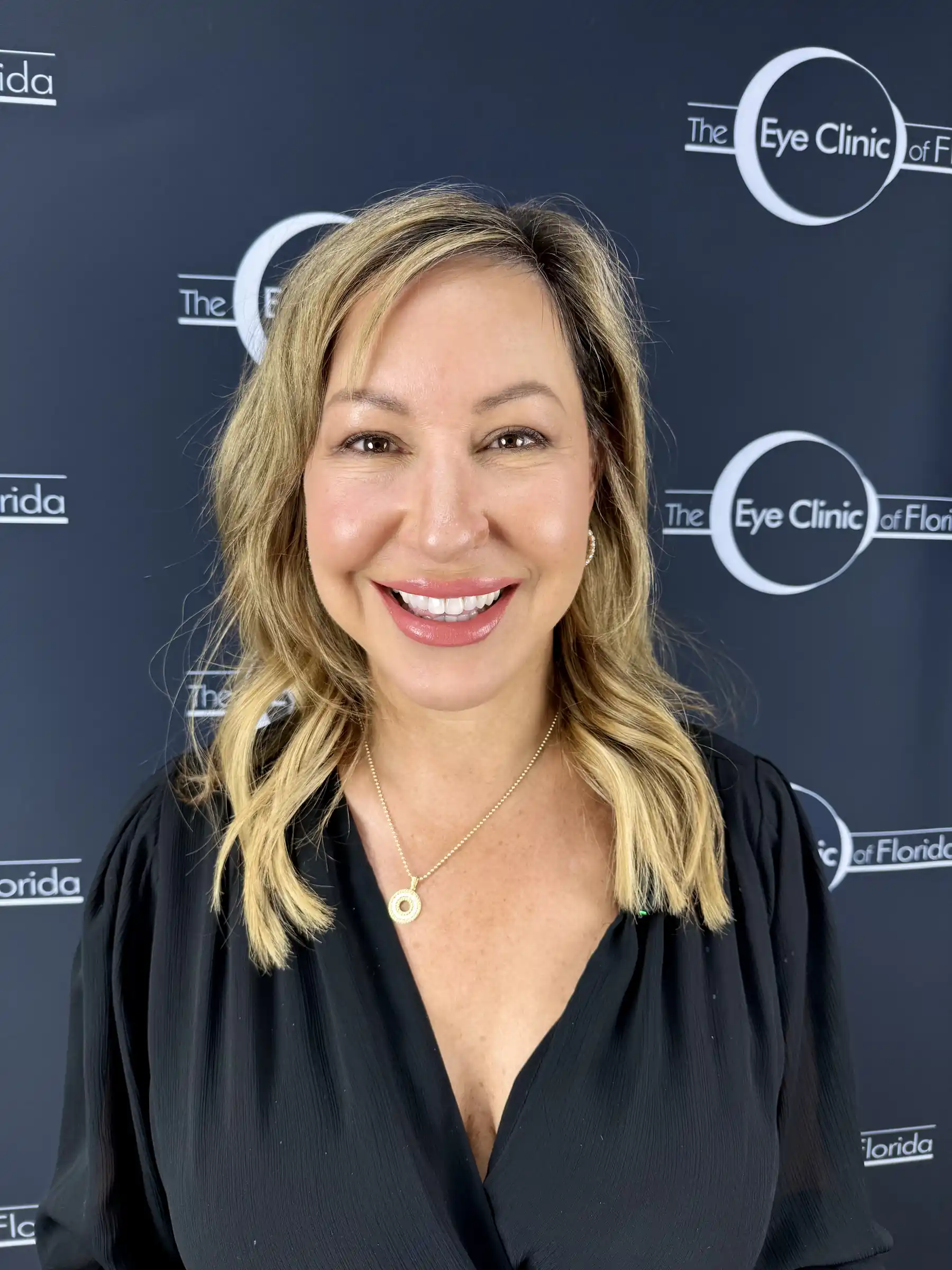
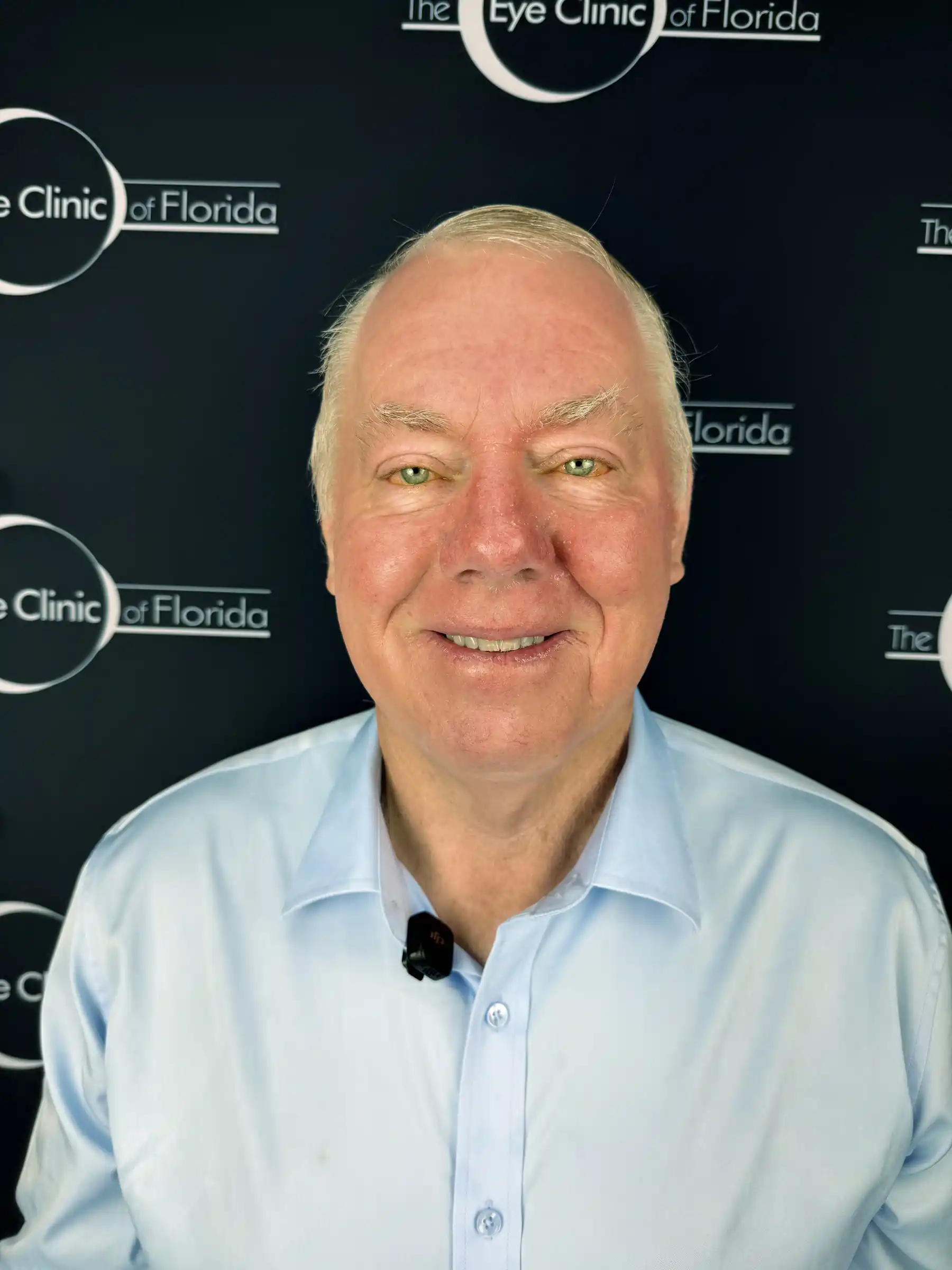
Patients from Wesley Chapel and Dade City share what cataract surgery with Dr. Mahootchi was like, from the first visit to seeing clearly again.

About Ahad Mahootchi, MD
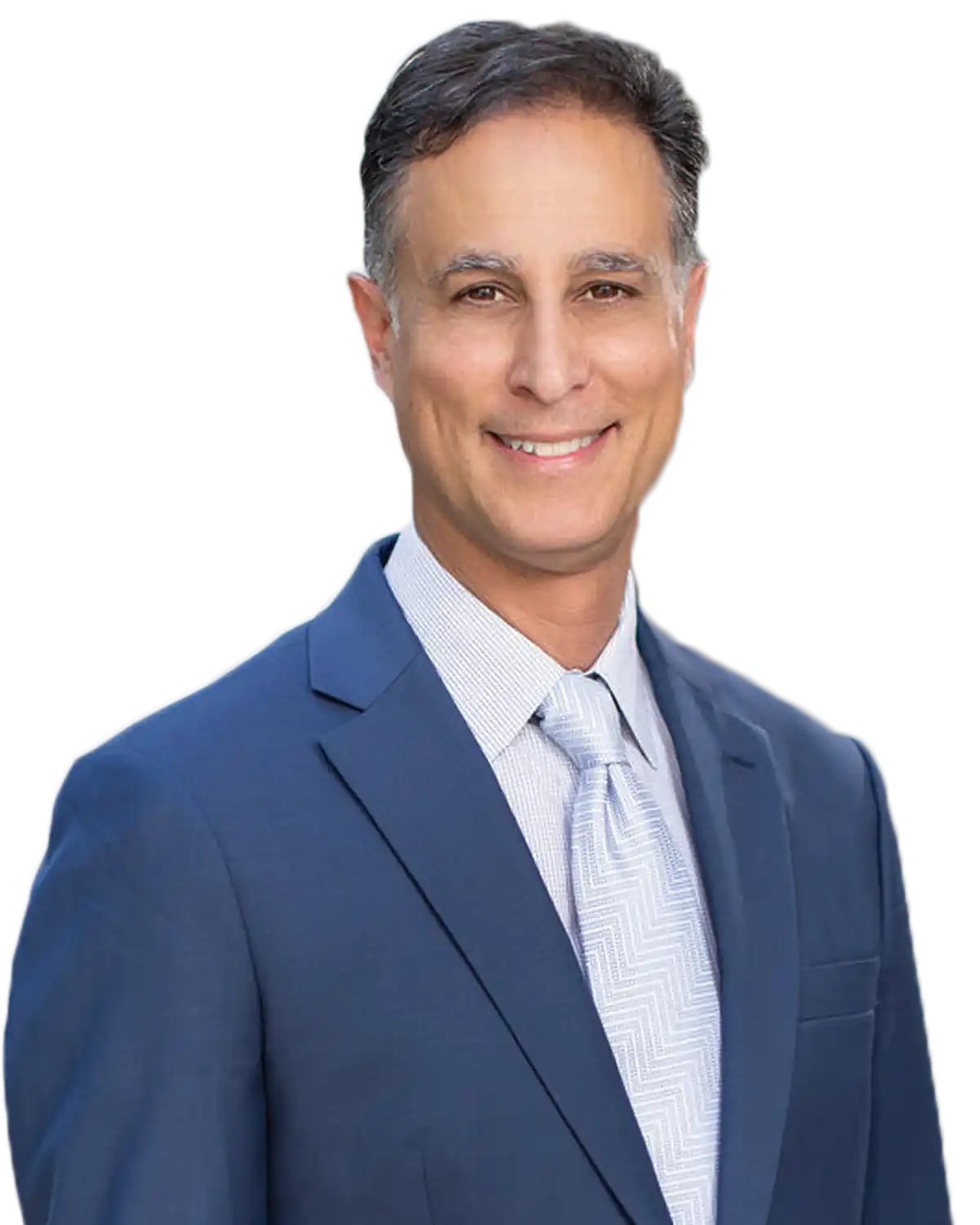
Ahad Mahootchi, MD has practiced in Zephyrhills since 1997 and has performed more than 30,000 eye surgeries. He is board certified by the American Board of Ophthalmology and a Fellow of the American Academy of Ophthalmology. He is a past president of the Tampa Bay Ophthalmology Society and serves as vice president of the Florida Society of Ophthalmology. He is also a national leader in the XEN Gel Stent, a tiny drainage implant used in glaucoma surgery.
He performs every surgery and every lens calculation at this practice himself. No assistant takes your measurements, and no partner takes your case on the day.
Frequently Asked Questions
Does cataract surgery hurt?
No. Your eye is numbed with drops or a gentle injection, and most patients feel pressure and see moving lights rather than anything painful. About 95% of our patients take oral medication for comfort instead of an IV line. Most describe it afterward as easier than a trip to the dentist.
What makes dropless cataract surgery a better option?
Dropless surgery means the antibiotic and anti-inflammatory medication go into your eye during the procedure, not into bottles you take home. That skips the four-week drop schedule most practices hand out, saves hundreds of dollars in prescriptions, and eliminates the most common aftercare mistake. Patients managing arthritis or a long medication list notice the difference most.
How do I choose between Envy, Odyssey, and PanOptix Pro?
You don’t choose alone, and the answer depends on your eye measurements and your daily routine more than on the brand name.
| Lens Implant | Type | Focus Range |
|---|---|---|
| enVista Envy | Extended depth of focus (EDOF) | Smooth range from distance through arm’s length |
| TECNIS Odyssey | Extended depth of focus (EDOF) | Smooth range from distance through arm’s length |
| PanOptix Pro | Trifocal | Distance, arm’s length, and a sharp near point for reading |
All three correct presbyopia, and none of them corrects astigmatism on its own, which is a separate measurement and a separate implant choice. If you have glaucoma or macular degeneration, these implants may not be right for your eye, and we will say so before you decide.
You can compare them on our cataract surgery with premium lens implants page.
Does Medicare cover cataract surgery?
Yes. Medicare covers medically necessary cataract surgery and a standard single-focus lens implant. The Centers for Medicare & Medicaid Services also lets patients pay privately for a presbyopia-correcting or astigmatism-correcting upgrade. We accept traditional Medicare and many private plans. We do not accept Humana Gold Plus, WellCare, Optum Sunshine, or Freedom plans, and we do not participate with Medicaid. Our insurance page has the current list.
What is the difference between cataract surgery and custom lens replacement?
The procedure is nearly identical. The reason for it is not. Cataract surgery replaces a lens that has already clouded over, and insurance covers the procedure itself. Custom lens replacement, also called clear lens exchange, replaces a lens that is still clear so you can stop leaning on glasses. Because it is elective, insurance does not cover it. If you are over 45, frustrated by readers, and do not have cataracts yet, start with custom lens replacement instead.
How do I find the best cataract surgeon near me?
Start with one visit. You can request an appointment online or call 813-779-3338, and we will measure your eyes, walk you through your lens implant options, and put the price in writing. We look forward to seeing you!