Key Takeaways
- Contact Lens Use Risks: Improper use or fit of contact lenses can restrict oxygen to the cornea, potentially leading to or worsening corneal edema. Sleeping in your lenses, wearing re-imported lens from online vendors, and using expired lenses are the most serious problems we see.
- For many Laser Vision Correction is a good option. ( learn more here—insert link)
- Symptoms to Watch For: Blurred vision, halos around lights, and discomfort can be signs of corneal swelling.
- Prevention Strategies: Regular eye exams, proper lens hygiene, and giving your eyes a break from lenses are crucial preventative measures.
- Local Expert Care: For those experiencing vision issues in the Tampa Bay region, The Eye Clinic of Florida offers expert, comprehensive ophthalmology services to diagnose and treat corneal conditions. Schedule an appointment today to protect your vision.
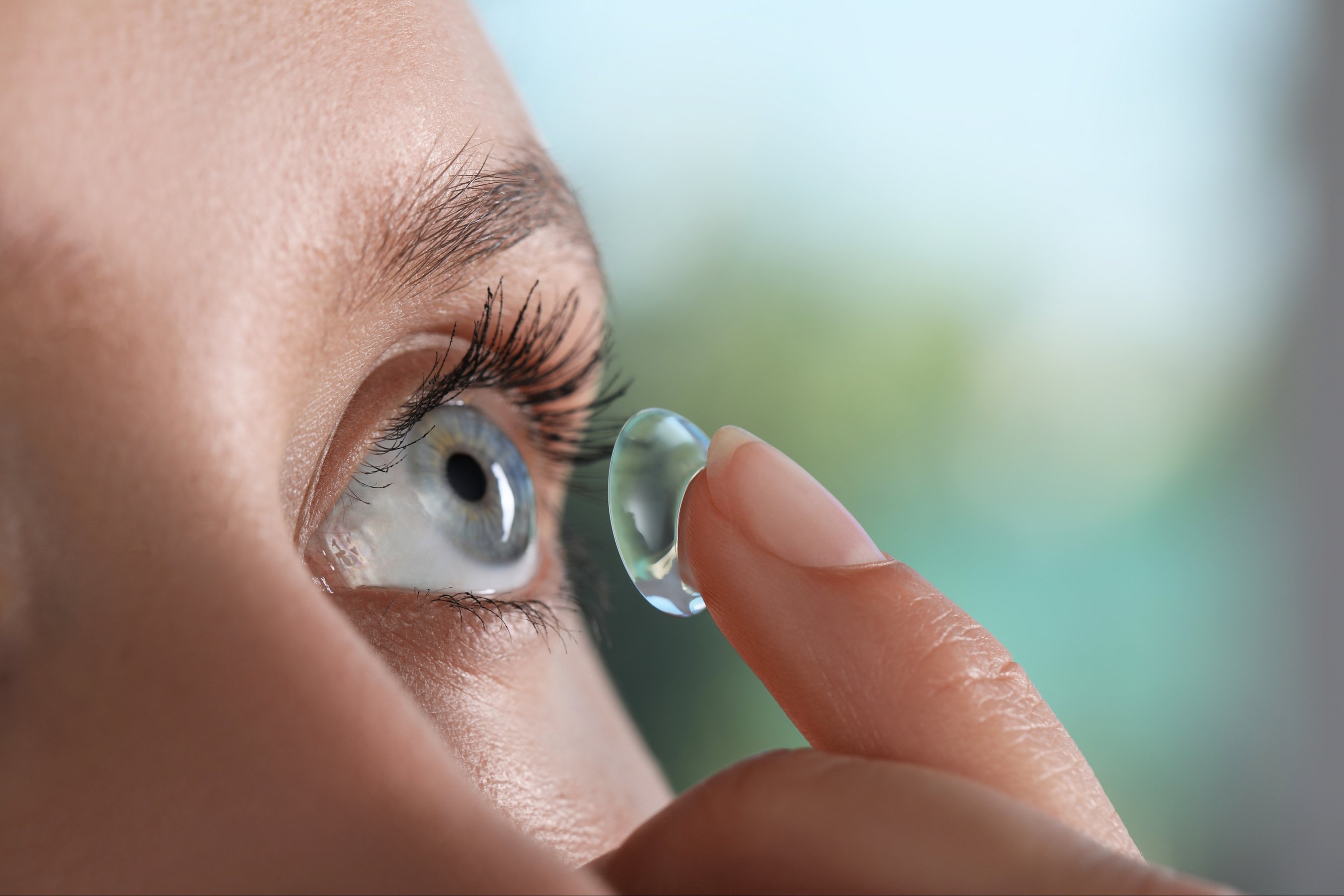
Millions of Americans rely on contact lenses for clear vision without the hassle of glasses. In a sunny, active city like Tampa, contacts offer freedom for beach days, sports, and outdoor activities. However, for some wearers, contact lenses can introduce complications, particularly regarding the cornea—the clear front surface of the eye.
One such condition is corneal edema, a swelling of the cornea caused by fluid retention. If left untreated, it can significantly impact vision and comfort. This guide explores the relationship between contact lens wear and corneal edema, helping you understand the risks and how to maintain optimal eye health.
Understanding Corneal Edema and Contact Lenses
Corneal edema occurs when the cornea retains excess fluid, causing it to swell. The cornea relies on a delicate balance of hydration to maintain its transparency and shape. When this balance is disrupted, vision becomes cloudy or distorted.
The cornea does not have blood vessels to supply it with oxygen; instead, it absorbs oxygen directly from the air. Contact lenses sit directly on the cornea, acting as a barrier to this oxygen supply. While modern lenses are designed to be breathable, issues can still arise.
How Contacts Can Lead to Swelling
When the cornea is deprived of sufficient oxygen (a condition known as hypoxia), its metabolism changes. Lactic acid builds up, drawing water into the corneal tissue via osmosis. This excess fluid causes swelling (edema), which clouds vision.
Several factors related to contact lens wear can trigger or exacerbate this condition:
- Overwear: Wearing lenses longer than recommended, particularly sleeping in lenses not designed for overnight wear.
- Poor Fit: Lenses that are too tight restrict tear flow and oxygen exchange beneath the lens.
- Material: Older lens materials may not allow enough oxygen to pass through compared to modern silicone hydrogel lenses.
- Old Lenses: Using lenses past their replacement schedule allows protein deposits to build up, reducing breathability.
- The most common issues are from sleeping in the contacts. No matter if the lense says it can be used overnight, we recommend that you don’t.
Symptoms of Corneal Edema
Early detection is key to preventing long-term damage. If you wear contacts, be vigilant for these signs:
- Blurred or Hazy Vision: Often worse upon waking in the morning.
- Halos: Seeing rainbow-colored rings around lights, especially at night.
- Discomfort: A feeling of grittiness or foreign body sensation.
- Photophobia: Increased sensitivity to light.
Tampa's Climate and Contact Lens Comfort
Living in Tampa presents unique challenges for contact lens wearers that can indirectly influence corneal health. The combination of high humidity outdoors and powerful air conditioning indoors can affect tear film stability.
When the eyes become dry, contact lenses may tighten on the eye or cause friction. This mechanical irritation, combined with potential hypoxia, creates an environment where the cornea is more susceptible to swelling and infection. Proper hydration and using lubricating drops approved for contact lenses can help mitigate these environmental factors.
Comparing Lens Types: Breathability Matters
Not all contact lenses are created equal when it comes to oxygen transmission. Choosing the right material is a critical step in preventing corneal edema.
| Lens Type | Oxygen Transmissibility (Dk/t) | Risk of Hypoxia/Edema |
|---|---|---|
| PMMA (Hard Lenses) | Very Low | High |
| Traditional Hydrogel | Low to Moderate | Moderate |
| Rigid Gas Permeable (RGP) | High | Low |
| Silicone Hydrogel | Very High | Very Low |
Silicone Hydrogel lenses allow significantly more oxygen to pass through to the cornea than traditional soft lenses, making them a safer choice for many patients concerned about corneal health. Rigid Gas Permeable (RGP) lenses, while initially less comfortable for some, are smaller and allow excellent oxygen exchange, often recommended for patients with existing corneal issues.
However, the fit of the lens which is checked by the doctor is a very big dela with soft contact lenses. The contact usually has 3 more variables than material.1) the prescription, 2) the curvature of the lens relative to the curvature of the eye, and 3) the diameter of the lens.
Prevention and Treatment Strategies
Preventing corneal edema starts with responsible lens habits.
Best Practices for Healthy Eyes
- Adhere to Replacement Schedules: Daily disposables offer the lowest risk of deposit buildup.
- Avoid Sleeping in Contacts: Unless prescribed a specific continuous-wear lens by your doctor, remove them before sleep.
- Proper Cleaning: Use recommended solutions; never use tap water, which can contain vision-threatening microbes.
- Give Eyes a Break: Wear glasses for a few hours before bed to allow your corneas to 'breathe' freely.
Treatment Options
If you are diagnosed with corneal edema, the first step is typically discontinuing contact lens wear immediately. The Eye Clinic of Florida may recommend:
- Hypertonic Saline Drops: These draw excess fluid out of the cornea.
- Switching Lens Types: Moving to a higher Dk/t (breathability) lens or RGP lens.
- Refitting: Ensuring the lens curvature matches your eye perfectly to prevent tightness.
Schedule Your Expert Eye Exam at The Eye Clinic of Florida
Your vision is too important to risk. Whether you suspect your contacts are causing issues or you simply need a routine check-up to ensure your eyes remain healthy, The Eye Clinic of Florida provides the specialized care you need. We can help you find the perfect contact lens fit or treat underlying conditions like corneal edema.
Schedule an appointment for comprehensive ophthalmology services today and see the difference expert care makes.
Frequently Asked Questions
Can corneal edema be cured?
In many cases, yes. If the edema is caused by contact lens overwear, stopping lens use and allowing the eye to heal often resolves the issue. However, chronic edema caused by endothelial disease (like Fuchs' dystrophy) may require ongoing management or surgery.
How long does it take for corneal swelling to go away?
Recovery time depends on the severity. Mild edema from contact lens overwear may resolve in a few days of lens-free rest. More severe cases may take weeks or require medical intervention.
Is it safe to wear contacts if I have mild corneal edema?
Generally, no. Wearing contacts on a swollen cornea can worsen the hypoxia and increase the risk of infection or abrasion. You should discontinue wear until an eye doctor clears you.
Do daily contacts prevent corneal edema?
Daily disposable lenses can reduce the risk because they are fresh every day, eliminating protein buildup that blocks oxygen. They are often made of breathable silicone hydrogel materials, making them a healthier option for many patients. Again, sleeping in your lenses is a very risky activity.
